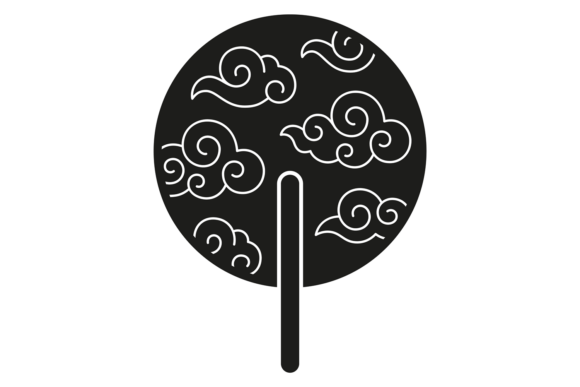
Paper Fan with Chinese Patterns. Ornate Review
As a designer who has spent years translating digital graphics into tangible stitched products, I approach every new asset with a critical eye. When I first opened the file for Paper Fan with Chinese Patterns. Ornate, my immediate reaction was one of appreciation for its cultural elegance and structural complexity. This is not just another generic clipart; it carries a distinct visual weight that suggests high-quality craftsmanship. However, in the world of embroidery, beauty on a screen does not always guarantee success under the needle. My goal here is to walk you through how this specific design translates from a digital Illustration to a real-world embroidery project, helping you decide if it fits your shop's aesthetic and technical capabilities.
The Visual Impact and Mood of the Design
The first thing that strikes you about Paper Fan with Chinese Patterns. Ornate is the intricate detailing within the fan blades. The patterns are dense, featuring traditional motifs that rely heavily on fine lines and small geometric shapes. In a digital product context or as a printable mockup, this level of detail looks stunning. It screams "luxury" and "heritage." But when I mentally convert this to a machine embroidery design, I start calculating stitch density and thread tension.
This design creates a mood of sophisticated celebration. It feels perfect for Lunar New Year collections, high-end wedding favors, or boutique home decor. If you are an Etsy seller looking to elevate your brand away from mass-market trends, this graphic offers a unique selling point. The ornate nature of the fan suggests that the finished product should be treated with care, appealing to customers who value artistry over speed.
Testing the Design: A Real-World Scenario
Let’s imagine a specific scenario: You are preparing a custom order for a client who wants a set of embroidered tote bags for a cultural festival. The client loves the idea of the Paper Fan with Chinese Patterns. Ornate but needs it to look crisp on canvas. Before committing to the final run, I would treat this as a test case.
I would load the embroidery file onto my machine and run a test on a scrap piece of heavy cotton canvas. Why? Because the fan shape involves many curved edges and potentially tight corners where the ribs meet the handle. On a smooth screen, these curves are seamless. Under the needle, they require precise satin stitch work or very fine fill stitch to prevent puckering. If the stitch density is too high in those corner areas, the fabric will bunch up, ruining the silhouette of the fan. Conversely, if the density is too low, the intricate Chinese patterns might look muddy or undefined once the threads settle.
In this tote bag scenario, the Paper Fan with Chinese Patterns. Ornate works best as a focal point on the front center. The white background mentioned in the description suggests it is isolated, which is excellent for layering, but you must ensure your thread colors contrast well against the bag fabric. Using metallic threads for the fan ribs could add a premium touch, mimicking the lacquered wood often found in real paper fans.
Best Applications for Your Craft Business
While this design is versatile, it shines brightest in specific applications where the detail can be appreciated without being lost. Here is where I see Paper Fan with Chinese Patterns. Ornate performing exceptionally well:
- Custom Apparel: This design is ideal for sweatshirts or denim jackets where the fabric is stable enough to hold the detail. It adds an artistic flair to streetwear or casual chic.
- Home Decor: Pillow covers and tea towels are fantastic candidates. The flat surface allows for even stitching, and the ornate pattern adds texture to soft furnishings.
- Personalized Gifts: For holiday embroidery projects, this motif makes a memorable gift. Imagine it on a baby blanket or a nursery wall hanging, adding a touch of global culture to a child's room.
- Boutique Branding: Small shop owners can use this as a signature element on aprons or staff uniforms, signaling attention to detail and cultural appreciation.
If you are creating an embroidered patch, the rigid backing of a patch helps maintain the integrity of the fan's shape, preventing the distortion that sometimes happens on stretchy fabrics.
Cautions: Where to Use Carefully
Despite its beauty, Paper Fan with Chinese Patterns. Ornate is not a "one-size-fits-all" solution. There are several scenarios where this design requires extra caution or modification:
- Small Hoop Sizes: The intricate details may get lost if you try to scale the design down too much. Always check the minimum recommended size before attempting to fit it into a 4x4 hoop.
- Textured or Stretchy Fabrics: Knits and thick textures can distort the delicate lines of the fan. You will need a high-quality stabilizer to keep the design true.
- Dark Fabrics: While the design is isolated, dark backgrounds require more thread coverage to hide the fabric underneath. Ensure your fill stitch settings are adjusted for opacity.
- Curved Surfaces: Embroidering this on a cap is risky. The curve of the brim can cause the long vertical lines of the fan to ripple. It is better suited for flat surfaces.
Technical Notes for Professional Results
To truly make this Graphics asset work for your business, you need to follow a few professional protocols. First, always test the design on scrap fabric that matches your final project material. This allows you to adjust the stitch density and pull compensation before cutting expensive thread or fabric.
Secondly, review the color palette. The original description mentions various file formats like EPS, JPG, SVG, and PNG, but remember that embroidery machines read stitch files, not image files. You will need to digitize this design or purchase a compatible digital embroidery file. If you are digitizing it yourself, pay close attention to the sequence of the fan ribs versus the decorative fill. The order in which the stitches are placed affects the final drape and feel of the finished product.
Finally, consider the licensing. As a creative entrepreneur, you must confirm whether you have the right to sell items made with this design. If you are using it for commercial embroidery, ensure your license covers the production of physical goods for resale. Whether you are making a single personalized gift or a batch of small shop merchandise, respecting intellectual property builds trust with your customers and protects your business.
Final Verdict on Visual Appeal and Value
Ultimately, Paper Fan with Chinese Patterns. Ornate is a strong asset for designers who understand the balance between digital art and textile reality. It elevates the perceived value of a handmade product instantly. Customers recognize the effort behind complex designs, and this fan motif delivers exactly that sense of effort and artistry.
When executed correctly with proper stabilizers and thread choices, it transforms a simple item into a collectible piece. It fosters buyer engagement by offering something unique that cannot be found in big-box stores. For the craft business owner aiming for professionalism and quality, this design is a worthy addition to your library, provided you respect its technical requirements and test thoroughly before production.