Ramadhan Continuous Line Graphics & Illustrations
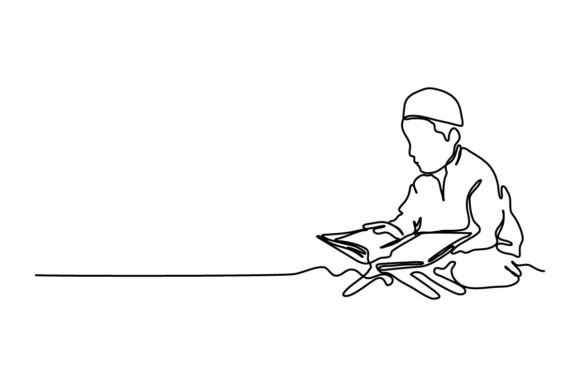
As a brand designer who has spent years curating visual identities for small businesses and digital creators, I approach every new graphic design asset with a critical eye. The market is flooded with generic clipart that often dilutes a brand's message rather than enhancing it. When I first encountered the Ramadhan Continuous Line illustration, my immediate goal was to determine if it could elevate a real-world marketing campaign or if it would just be another decorative element lost in the noise of social media feeds. This specific creative design features a continuous line drawing of people praying, capturing a moment of devotion where a Muslim prays and reads Al Quran, surrounded by delicate decorative elements on a white background. The simplicity of the concept immediately suggested potential for premium branding, but does it hold up under the pressure of a commercial launch?
First Impressions: Setting a Tone of Serenity and Focus
The first thing that strikes you about this illustration is its emotional resonance. In the crowded landscape of digital content, where flashy colors and chaotic layouts often compete for attention, this piece offers a breath of fresh air. The continuous line style creates a sense of flow and unity, which translates psychologically into feelings of calmness and spiritual connection. For a brand owner targeting an audience during the holy month, this mood is not just aesthetic; it is strategic. It signals respect, mindfulness, and cultural awareness.
When reviewing this as a potential addition to a content kit, I found the white background to be a significant advantage. It allows the design to integrate seamlessly into various color palettes without clashing. Whether you are building a brand identity for a lifestyle blog, creating packaging for handmade goods, or designing editorial graphics for a magazine, the clean lines ensure that the focus remains on the subject matter—the act of prayer and reflection—rather than overwhelming the viewer with unnecessary detail. This makes it a versatile tool for both casual branding and more premium, high-end visuals.
Integrating the Asset into Real Marketing Workflows
To truly test the value of this digital product, I imagined a scenario where a small business is launching a seasonal collection of modest fashion or wellness products. The challenge is to create marketing visuals that feel authentic and respectful while driving sales. Here is how Ramadhan Continuous Line performs across different channels:
- Social Media Graphics: On Instagram and Pinterest, visual hierarchy is everything. Using this SVG design as a hero image for a carousel post allows the text overlay to remain legible. The negative space around the continuous line drawing provides ample room for headlines about "Mindful Living" or "Seasonal Offers."
- Packaging Design and Product Labels: For physical products, this illustration works beautifully as a subtle accent on a product label or as the main artwork on a thank-you card insert. The elegance of the line art suggests quality craftsmanship, boosting audience trust before the customer even opens the package.
- Digital Ads and Email Banners: In Facebook ads or email newsletters, clutter is the enemy of conversion. This graphic acts as a strong focal point without competing with the call-to-action button. It helps establish a professional appearance that distinguishes your brand from competitors using stock photos.
- Web Design and Blog Headers: As a website header or section divider, the continuous line style adds a modern design touch that breaks up dense text blocks, making long-form content more digestible for readers.
Strategic Branding Benefits and Visual Consistency
Using a cohesive set of design assets like this one supports several key marketing goals. First, it strengthens the first impression. A well-curated visual identity tells the audience that the brand cares about details. Second, it improves consistency. By using the same illustration style across your logo design, social media covers, and merchandise, you build stronger recognition. Third, it fosters an emotional connection. Seeing a depiction of a Muslim praying and reading Al Quran in a respectful, artistic manner can resonate deeply with the target demographic, fostering loyalty.
This graphic design asset is particularly effective for content creators who need to produce high-quality visuals quickly. Whether you are a digital seller creating a design bundle or an online coach preparing lead magnets, having access to an EPS, SVG, and JPG format means you have flexibility. You can scale the vector files for large posters or printables without losing quality, ensuring your promotional banners look sharp on any device.
Where This Asset Shines Brightest
The Ramadhan Continuous Line illustration is at its best when used as a decorative brand element or a primary visual in low-text environments. It excels in:
- Campaign Headers: Setting the theme for a Ramadan-specific landing page.
- Branded Templates: Creating Canva templates for clients who need quick, professional social media posts.
- Merchandise: Printing on tote bags, stickers, or mugs where the single-line style looks trendy and modern.
- Editorial Layouts: Adding visual interest to articles about culture, faith, or community events.
Navigating Limitations and Best Practices
While this illustration is powerful, it requires careful placement to maintain its impact. It should be used with caution in formal corporate branding contexts that demand rigid structure, or in dense information layouts where the intricate lines might get lost. Additionally, avoid placing it on low-contrast backgrounds; the thin lines need sufficient contrast to remain visible. If you are designing for mobile screens, always preview the asset to ensure the details do not become pixelated or indistinguishable at small sizes. It is also crucial to check how it pairs with your typography. While it complements script and handwritten fonts beautifully, pairing it with a heavy display font might create visual competition. Always review spacing and balance to ensure the design asset supports, rather than distracts from, your main message.
Practical Notes for Designers and Marketers
Before integrating this into a paid campaign or client work, there are practical steps every brand designer should take. First, test the illustration against your specific brand color palette. Does it look good in black and white? Does it retain its integrity when inverted? Place the design inside real campaign mockups to see how it interacts with other elements. Compare it against competitor visuals to ensure your brand stands out. Finally, and most importantly, confirm the commercial licensing terms. Ensure you have the right to use this graphic in business branding, advertising, and resale products. With the right permissions and thoughtful application, this continuous line design becomes more than just an image; it becomes a strategic component of your visual storytelling, helping you connect with your audience on a deeper level during one of the most significant times of the year.