One Line Drawing of Cute Flower Vector Review
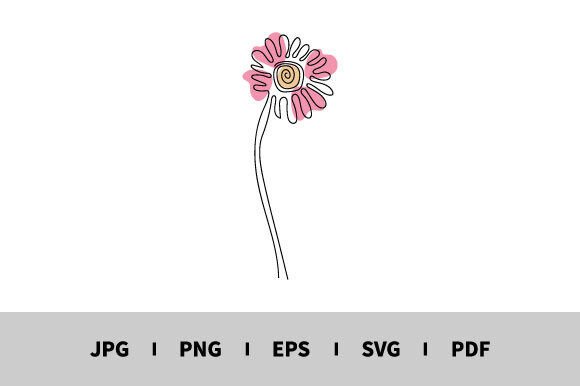
As a designer who has spent years translating digital art into tangible thread, I approach every new asset with a critical eye. The market is flooded with generic Illustrations, but finding a piece that truly translates well from screen to stitch is rare. Today, I am evaluating the One Line Drawing of Cute Flower Vector. This specific design promises to be a versatile asset for websites, POD, and social media, but my primary concern is how it performs as a machine embroidery design for real-world applications like custom apparel and handmade gifts.
First Impressions: Simplicity Meets Character
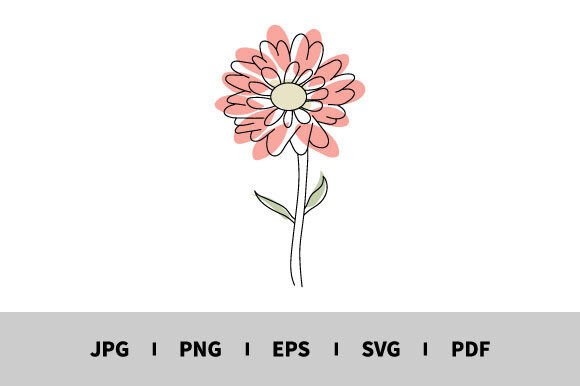
At first glance, the One Line Drawing of Cute Flower Vector exudes a charming, minimalist aesthetic. The continuous line style creates a sense of fluidity and movement that is often lost in more complex, multi-layered floral designs. For an embroidery project, this simplicity is a double-edged sword. On one hand, it suggests a clean, modern look perfect for a boutique brand or a personalized gift. On the other hand, the lack of heavy fill areas means the visual weight relies entirely on the precision of the stitching.
The mood it sets is playful yet sophisticated. It feels like a design that would sit beautifully on a linen tote bag or a soft cotton baby onesie. However, when I look at it through the lens of a professional decorator, I immediately start thinking about stitch density and thread colors. A single-line drawing requires a very specific type of execution to avoid looking thin or washed out once stitched onto fabric.
Real-World Application: From Digital File to Finished Product
Let’s imagine a practical scenario. I am preparing a limited run of embroidered patches for a small shop owner who wants to sell them as accessories for denim jackets. The client loves the whimsical nature of the One Line Drawing of Cute Flower Vector. In this context, the design shines. Because it is a flat vector, it converts cleanly into a digital embroidery file without the need for excessive underlay that can bulk up the fabric.
If I were using this for sweatshirt embroidery, I would lean heavily on a satin stitch column to give the lines definition. Satin stitch provides that glossy, raised texture that makes simple lines pop against the matte texture of fleece or cotton blends. Conversely, if I were creating a delicate baby embroidery item, such as a receiving blanket or a pillow cover, I might opt for a fine running stitch to maintain the airy feel of the original vector art.
The versatility of this design extends beyond just clothing. It works exceptionally well as a tote bag design where the large surface area allows the single line to breathe. For holiday embroidery projects, this flower could serve as a subtle accent on a kitchen towel or an apron, adding a touch of elegance without overwhelming the garment. The key here is understanding that while the source is a graphic, the finished product depends entirely on how you manipulate the stitch types during digitization.
Navigating Challenges: Fabric and Hoop Considerations
While the One Line Drawing of Cute Flower Vector is promising, there are specific situations where caution is required. Embroidery is not just about the design; it is about the interaction between the thread, the stabilizer, and the fabric texture.
- Small Hoop Sizes: If you attempt to shrink this design too much for a cap or a tiny patch, the single line may become indistinguishable. The integrity of the "one line" concept relies on enough space for the needle to trace the path accurately. Always check your minimum hoop size requirements before scaling down.
- Textured Fabrics: On highly textured materials like thick wool or nubby linen, a single line can get lost in the weave. You may need to increase the width of the satin stitch or use a contrasting thread color to ensure visibility.
- Stretchy Fabrics: When working with knits or stretchy materials for custom apparel, the tension of the single line can cause puckering if the wrong stabilizer is used. A tear-away or cut-away stabilizer is essential here to support the stitches without distorting the fabric.
- Dark Backgrounds: This design was likely created with light backgrounds in mind. If you are embroidering on dark fabric, you must consider whether a backing layer or a different stitch type is needed to make the flower stand out clearly.
Practical Designer Notes for Success
To ensure the best results with the One Line Drawing of Cute Flower Vector, I always follow a strict testing protocol. Never jump straight into the final project. First, test the design on scrap fabric that matches your intended material. This allows you to adjust the stitch density and pull compensation before committing to expensive inventory.
Check the thread color contrast carefully. A white flower on a cream shirt might look beautiful in a printable mockup, but in reality, it might lack the necessary definition. Similarly, verify the licensing terms. While the description mentions use for websites, POD, and presentations, always confirm if the license covers selling physical goods like handmade products or commercial embroidery items. As an Etsy seller or small business owner, protecting your brand and respecting intellectual property is crucial.
Finally, consider the long-term durability. Items like kitchen towels or aprons undergo frequent washing. Ensure the digitized version uses strong anchor points so the single line does not unravel over time. If you are creating a personalized gift, take the extra step to review the design in black and white mockups to see if the shape holds up without color cues.
Verdict: A Versatile Asset for the Modern Maker
The One Line Drawing of Cute Flower Vector is a solid addition to any creative entrepreneur's library of design assets. Its clean lines and cute aesthetic make it a favorite for those looking to add a touch of modern charm to their work. Whether you are producing embroidered patches for a craft fair, decorating caps for a local team, or creating digital previews for your online store, this graphic offers a flexible foundation.
However, its success lies in the hands of the designer. It requires thoughtful digitization, careful selection of fabric texture, and proper stabilization to transform from a flat vector into a high-quality finished product. By respecting the limitations of the medium and leveraging the strengths of the design, you can create items that customers will love and trust. For anyone looking to elevate their craft business with fresh, contemporary visuals, this is a design worth exploring, provided you take the time to test and refine it for your specific needs.