One Line Drawing of Flower Vector Image Review
As a designer who has spent years navigating the fine line between digital art and tangible thread, I approach every new asset with a critical eye. The market is flooded with Graphics that look stunning on a screen but fall apart under the needle. When I first encountered the One Line Drawing of Flower Vector Image, my initial reaction was one of cautious optimism. Minimalist aesthetics are trending heavily in the handmade sector right now, but translating a single continuous line into a durable machine embroidery design requires specific technical considerations. This review breaks down how this specific vector performs when moved from a digital preview to a real-world embroidery project.
The Visual Impact: Simplicity Meets Stitching
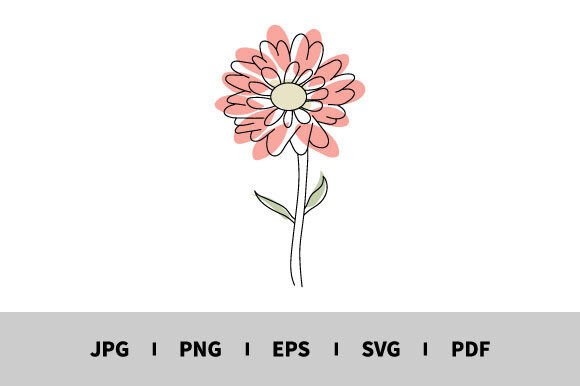
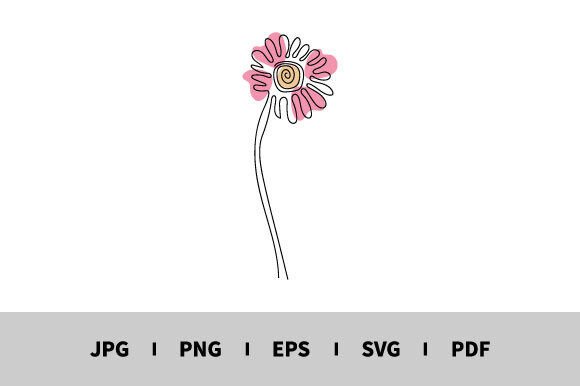
The mood created by this One Line Drawing of Flower Vector Image is undeniably elegant and modern. In the realm of Illustrations, a continuous line suggests fluidity and organic movement. For an Etsy seller or a boutique owner looking to elevate their brand, this style offers a sophisticated alternative to dense, traditional floral motifs. However, the challenge lies in the execution. A single line in a vector file does not automatically translate to a single line of thread. If you attempt to stitch this as a literal running stitch without thickening the path, the result will likely be fragile and prone to breaking.
When I visualize this design on a tote bag design or a linen apron, the clean lines suggest a high-end, curated aesthetic. It feels like something a customer would appreciate on a personalized gift, perhaps for a wedding or a housewarming. The lack of heavy fill stitch areas means the fabric breathes better, which is crucial for items like baby embroidery where softness is paramount. Yet, the simplicity demands perfection; there is nowhere to hide stitching errors. Every curve must be smooth, and every junction must be secure.
Real-World Application: From Totes to Apparel
Let's consider a practical scenario: creating a limited run of custom embroidered tote bags for a local craft fair. Using the One Line Drawing of Flower Vector Image here could be a game-changer for your small shop product lineup. On a sturdy canvas tote, the design can be rendered using a satin stitch column rather than a thin running stitch. This adds the necessary weight and visibility while maintaining the "one-line" visual illusion. Customers often gravitate toward these understated designs because they pair well with both casual and professional attire.
Similarly, imagine applying this to sweatshirt embroidery. Fleece and cotton blends have a textured surface that can sometimes swallow delicate details. With this specific vector, the bold outline helps the design pop against the fuzzy background. It works exceptionally well as a chest logo or a small accent near the cuff. For those selling digital product previews, this image serves as an excellent printable mockup element, allowing buyers to visualize the final finished product before purchasing the actual embroidery file.
However, not all applications are equal. If you are considering this for an embroidered patch, the continuous line might require significant digitization work to ensure the edges don't fray once cut out. It is also less suitable for highly detailed corners where the line changes direction abruptly, as this can cause thread bunching if the machine speed isn't adjusted.
Navigating Fabric Challenges and Hoop Sizes
One area where caution is required is the choice of substrate. While the One Line Drawing of Flower Vector Image looks beautiful on smooth fabrics, it can struggle on very thin or stretchy materials like jersey knit. Without a robust stabilizer, the tension of the satin stitch used to mimic the line could pucker the fabric, ruining the minimalist aesthetic. Always test the design on scrap fabric first, especially if you plan to use it on custom apparel that will undergo frequent washing.
Regarding hoop size, this design is versatile but needs enough room to breathe. If you try to shrink it too much to fit a 4x4 hoop, the line may become indistinguishable from the fabric texture. Conversely, scaling it up for a large pillow cover allows for a thicker stitch width, enhancing durability. For holiday embroidery projects, such as tea towels or napkins, the design fits perfectly within standard hoop dimensions, offering a chic, non-seasonal touch that remains relevant year-round.
Technical Considerations for Professional Results
To truly leverage this asset, you must treat it as more than just a picture. As a craft business owner, your reputation relies on the quality of your stitching. Before committing to a client order, convert the vector into a proper digital embroidery file. You will need to decide whether to use a satin stitch for definition or a wide running stitch for a more sketch-like appearance. Check the thread colors carefully; a dark flower on a dark shirt will vanish unless you use a contrasting underlay or a lighter shade of thread.
Another critical step is reviewing the stitch density. Since the design relies on a single path, gaps in the stitching can make the flower look broken or unfinished. Ensure your digitizing software creates tight, consistent stitches along the entire length. Also, inspect the small details. In a vector, a tiny loop might look intentional, but in thread, it could tangle the machine. Simplify any overly complex intersections during the conversion process.
Finally, verify the licensing terms. The description mentions the image is original and suitable for websites, POD, and presentations, but always confirm if you are allowed to sell physical goods made from the design. Whether you are creating a personalized gift or mass-producing commercial embroidery assets, understanding the rights prevents legal headaches down the road. Test the design in black and white mockups to see how it translates without color bias, and compare it against light and dark fabric backgrounds to ensure versatility.
Final Verdict for Designers and Makers
The One Line Drawing of Flower Vector Image is a powerful tool for designers who understand the mechanics of thread. It elevates a handmade product by adding a touch of modern sophistication without overwhelming the garment. It is ideal for apparel decorators looking to offer unique, lightweight options and for creative entrepreneurs building a cohesive brand identity. While it requires careful digitization and fabric selection, the potential payoff in customer engagement and perceived value is significant. By treating this design asset with the technical respect it deserves, you can create finished pieces that stand out in a crowded marketplace.