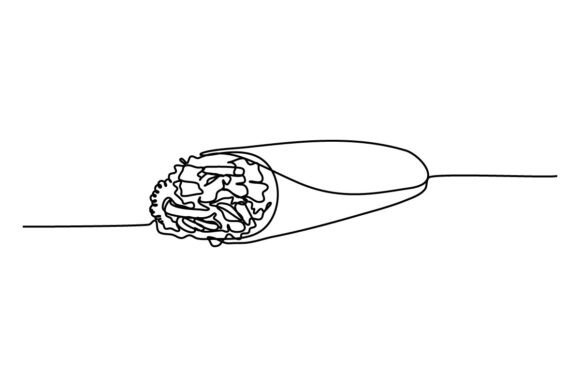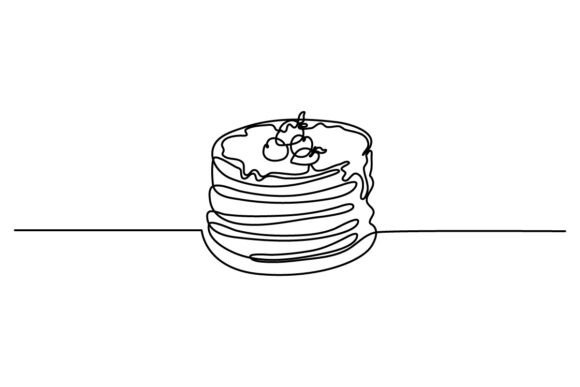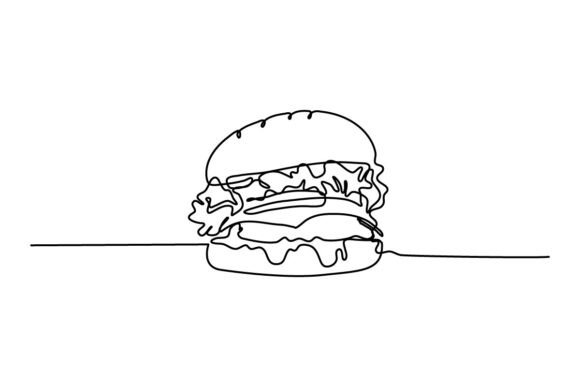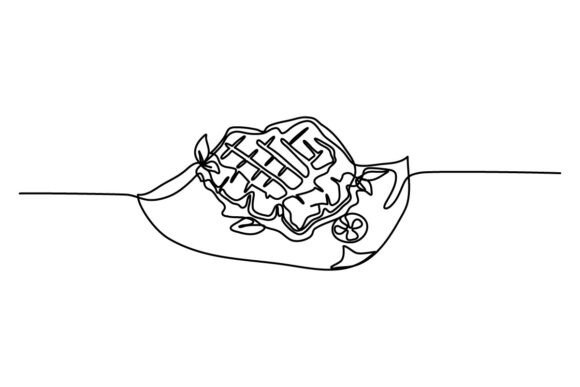
Macaron Cookie One Continuous Line Review
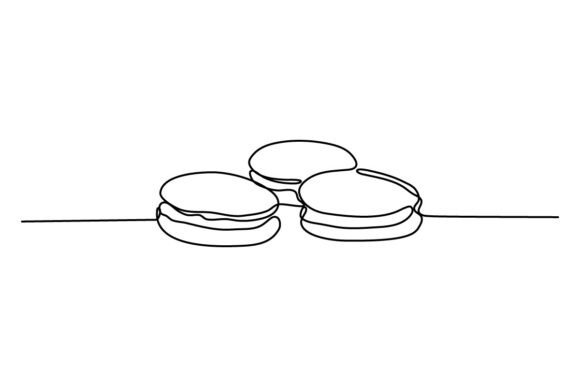
As a designer who has spent years navigating the intersection of digital art and physical stitching, I approach every new machine embroidery design with a specific set of questions. Does it translate well from screen to fabric? Will it hold up under washing? Most importantly, does it add genuine value to a finished product? Recently, I evaluated the Macaron Cookie One Continuous Line, a piece categorized under Illustrations and Graphics. At first glance, this design presents itself as a whimsical restaurant food menu concept, featuring decorative elements drawn on a white background. However, moving beyond the digital preview requires a deeper look at how this specific aesthetic functions in real-world embroidery scenarios.
The Aesthetic Appeal of Continuous Line Art
The immediate impression of the Macaron Cookie One Continuous Line is one of playful minimalism. The single-line technique creates a fluid, hand-drawn personality that feels organic rather than rigid. In the world of custom apparel and boutique branding, this style is trending heavily because it mimics the charm of a sketch while maintaining the precision of vector art. For an Etsy seller or a small shop owner looking to create a cohesive collection, this design offers a soft, inviting visual language. It evokes feelings of sweetness and nostalgia, making it an excellent candidate for nursery decor, kitchen textiles, or personalized gifts.
However, translating a continuous line drawing into a stitch file requires careful consideration. Unlike traditional fill stitch designs that cover large areas of fabric, a continuous line relies entirely on the clarity of the path. When converting this digital embroidery file for production, the choice of stitch type becomes critical. A simple running stitch might capture the artistic intent but could lack durability on items like tote bags or aprons that undergo frequent handling. Conversely, using a narrow satin stitch adds weight and definition, ensuring the macaron shape stands out against textured fabrics without losing its delicate character.
Real-World Application: From Concept to Stitches
To truly understand the potential of the Macaron Cookie One Continuous Line, let’s imagine a practical project: creating a limited-run batch of embroidered canvas tote bags for a local bakery. The goal is to offer customers a functional item that doubles as a brand ambassador. The design’s clean lines work beautifully here because they do not overwhelm the natural texture of the canvas. On a sturdy tote bag, the continuous line can be stitched in a vibrant pastel thread color—perhaps a soft pink or mint green—to mimic the actual confectionery.
In this scenario, the stitch density must be managed carefully. If the density is too high, the fabric may pucker, ruining the smooth flow of the line. If it is too low, the design might appear flimsy. As a reviewer, I would recommend testing this embroidery project on a scrap piece of the exact canvas intended for the final product. This test run allows you to verify that the hoop size accommodates the design without distorting the curve of the cookie. Furthermore, using the correct stabilizer is non-negotiable. For a continuous line design on a medium-weight fabric, a tear-away stabilizer usually suffices, but a cut-away option provides extra support if the bag will carry heavy loads.
This design also translates exceptionally well to custom apparel such as sweatshirts. Imagine placing the Macaron Cookie One Continuous Line on the chest pocket area of a cream-colored hoodie. The contrast between the white background of the original graphic and the fabric creates a subtle yet sophisticated look. Because the design is simple, it avoids the "muddy" appearance that often plagues complex multi-color embroidery on dark or heathered fabrics. This makes it a versatile asset for a craft business aiming to sell seasonal items, such as holiday embroidery pieces for winter sweaters or spring-themed baby clothes.
Navigating Technical Challenges and Limitations
While the Macaron Cookie One Continuous Line is visually appealing, it is not without its technical constraints. One significant challenge arises when working with stretchy fabrics like jersey knit or thin materials. The tension required to pull a continuous line through these fabrics can cause warping if the thread colors are not matched correctly with the fabric weight. Additionally, on curved surfaces like caps or hats, the linear nature of the design might struggle to conform to the dome shape without distortion. In such cases, breaking the continuous line into smaller segments or opting for a different placement strategy is advisable.
Another area requiring caution is the use of this design on dark fabrics. Since the original concept features decorative elements on a white background, embroidering directly onto black or navy material without a backing layer can make the design difficult to see. To maintain visibility, an applique design technique or a dense underlay of white thread might be necessary. This adds steps to the production process but ensures the final result remains crisp and professional. Similarly, for products that require frequent washing, such as kitchen towels or tea cloths, the longevity of the stitches depends heavily on the quality of the thread and the tightness of the fill stitch used to reinforce the line.
Strategic Value for Small Business Owners
For creative entrepreneurs and handmade shop owners, the Macaron Cookie One Continuous Line represents more than just a pretty picture; it is a tool for brand consistency. The simplicity of the design allows it to scale effectively across various products, from embroidered patches to pillow covers and blankets. This versatility is crucial for building a recognizable brand identity. When customers see the same clean, whimsical motif on a variety of items, it reinforces trust and professionalism.
Furthermore, the availability of file formats like EPS, SVG, and JPG provides flexibility for both digital and physical applications. You can use the vector files to create printable mockups for your online store, giving potential buyers a clear idea of how the design looks before they purchase. These design assets can also be used to create marketing materials, social media graphics, or even packaging labels, maximizing the return on investment for the design purchase. However, always confirm the licensing terms before selling finished items or digital products to ensure you are compliant with commercial usage rights.
Practical Designer Notes for Success
- Test First: Always run a test stitch on scrap fabric to check for puckering and alignment issues before committing to your final product.
- Contrast Matters: Ensure the thread color contrasts sufficiently with the fabric, especially if adapting the design for darker backgrounds.
- Stabilize Properly: Use a high-quality stabilizer to prevent fabric distortion, particularly on lightweight or stretchy materials.
- Check Details: Inspect the smallest curves and corners of the continuous line to ensure they stitch cleanly without breaking threads.
- Mockup Variations: Create black and white mockups alongside colored ones to visualize the design's impact in different lighting conditions.
- Licensing Check: Verify that your license permits the creation of commercial embroidery items for resale.
In conclusion, the Macaron Cookie One Continuous Line is a charming and versatile addition to any designer's toolkit. Its ability to bridge the gap between modern graphic trends and traditional embroidery techniques makes it a standout choice for those looking to elevate their finished product offerings. By understanding its strengths and limitations, and by applying sound technical practices, you can transform this simple illustration into a beloved staple of your craft business. Whether you are creating a personalized gift or stocking shelves for your boutique, this design offers a sweet touch that resonates with customers seeking quality and style.