Kebab One Continuous Line: A Designer's Review
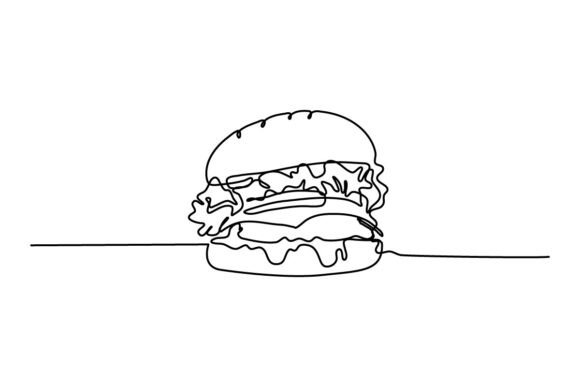
As someone who has spent years translating digital graphics into tangible stitched goods, I approach every new asset with a mix of excitement and skepticism. The market is flooded with generic clip art that looks fine on a screen but falls apart under the needle. When I first opened the Kebab One Continuous Line file, I was immediately struck by its clean, minimalist aesthetic. It presents a restaurant food menu design concept rendered as decorative elements on a white background. At first glance, it feels like a modern Illustrations category staple, but my job is to determine if this Graphics file can survive the rigors of real-world embroidery production.
The First Impression: Simplicity Meets Character
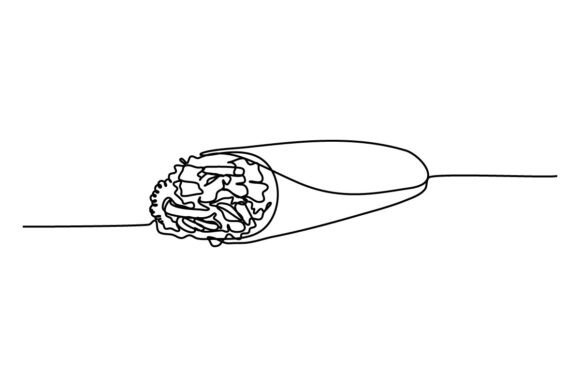
The visual personality of Kebab One Continuous Line is defined by its unbroken flow. In the world of vector art, continuous line drawings are trendy because they offer a sense of movement and elegance without overwhelming detail. For an embroidery project, this is often a blessing. Complex shading and tiny gradients usually result in muddy stitch density or registration errors on the machine. Here, the design relies on bold, sweeping curves to define the shape of the kebab. The mood it creates is playful yet sophisticated, perfect for a boutique kitchen shop or a trendy cafe branding initiative.
However, before I commit to a client order, I need to visualize how this single stroke translates to thread. Does the line width hold up when converted to a satin stitch? Will the corners remain sharp enough to be recognizable as food, or will they blur into a blob? These are the questions that separate a hobbyist from a professional craft business owner.
Real-World Application: From Screen to Sweatshirt
Let’s imagine a specific scenario. I have a small batch of organic cotton tote bags destined for a local artisan market. The goal is to create a tote bag design that appeals to foodies and young parents alike. I load the Kebab One Continuous Line into my digitizing software. Because the source files include EPS, SVG, and JPG formats, I have flexibility in how I prepare the embroidery file.
When I map out the stitch path, the continuous nature of the line suggests a long, flowing running stitch or a narrow satin column. This works exceptionally well for custom apparel like sweatshirts or aprons where a large, graphic statement is needed. Imagine this design centered on a chef's apron; the simplicity allows the texture of the fabric to shine through, while the outline provides just enough definition. For a sweatshirt embroidery project, placing this on the chest pocket area would look incredibly chic, especially if paired with high-quality, contrasting thread colors.
I also see potential for this as an embroidered patch. If you add a merrow border around the continuous line, the negative space inside the kebab shape becomes a focal point. This could be a fantastic addition to a denim jacket or a backpack for a college student. The design’s versatility makes it a strong candidate for commercial embroidery projects where brand consistency is key. It’s distinct enough to be memorable but simple enough to scale across different product lines.
Navigating Fabric and Hoop Challenges
While the design is promising, experience tells me that not every fabric will treat Kebab One Continuous Line kindly. The continuous line style means there are no internal fill stitches to anchor the design heavily. On textured fabrics like heavy canvas or thick fleece, the line might get lost in the weave. You must use a proper stabilizer to ensure the stitches sit flat and don't sink into the material.
For those considering this for baby embroidery, such as a onesie or a bib, the lack of dense stitching is actually a pro. Babies have sensitive skin, and bulky designs can cause irritation. However, because the line is thin, you need to be careful with stretchy fabrics. If the hoop stretches the material too much during stitching, the continuous line might distort, ruining the smooth curve of the kebab. Always test your hoop size and tension on scrap fabric first.
Dark fabrics present another challenge. Since the original concept features decorative elements drawn on a white background, using this on black or navy blue requires careful planning. You cannot simply stitch a dark line on dark fabric; you need a light-colored thread or a white underlay to make the design pop. Without sufficient contrast, the finished product will look washed out and unprofessional.
Practical Notes for the Digital Product Seller
If you are an Etsy seller or run a small shop product line selling digital downloads, you need to understand the limitations of the provided formats. The package includes EPS, SVG, and JPG. While these are great for printing or laser cutting, they are not native machine embroidery design files (like .PES, .DST, or .EXP). This means you, as the designer, must digitize the image yourself.
This adds a layer of work but also control. You can adjust the stitch density to suit your specific machine and fabric. For example, if you are making holiday gifts like pillow covers, you might want a thicker stitch to give it a more substantial feel. Conversely, for a delicate tea towel, a finer stitch count preserves the softness of the linen.
Before selling any personalized gift featuring this artwork, verify the licensing terms. Just because you bought the graphic does not automatically grant you the right to sell finished embroidered items containing it. Check the license carefully to avoid legal trouble down the road. Additionally, always create a printable mockup to show clients exactly how the design will look on their chosen item. Visual clarity builds customer trust and reduces return rates.
Final Verdict on Value and Execution
Kebab One Continuous Line is a solid asset for designers who appreciate minimalism. It avoids the clutter of overly detailed food illustrations, which often fail in embroidery due to excessive fill stitch requirements. Instead, it offers a clean, modern look that enhances the perceived value of a handmade product. Whether you are creating a unique wedding gift for a culinary couple or stocking inventory for your craft fair booth, this design has the potential to stand out.
However, success depends entirely on execution. Do not skip the testing phase. Check the thread colors against your fabric, inspect the small details for any jagged edges after conversion, and ensure your stabilizer is adequate. When done correctly, this design transforms a simple graphic into a piece of wearable art that customers will love. It is a reminder that in embroidery, sometimes less truly is more, provided you have the skill to bring that simplicity to life with precision.