Burger One Continuous Line: A Designer's Review
As someone who has spent years navigating the intersection of digital art and physical stitching, I approach every new machine embroidery design with a mix of excitement and skepticism. The market is flooded with generic clipart that looks fine on a screen but falls apart under the needle. When I first encountered Burger One Continuous Line, I was curious to see if this minimalist aesthetic could translate into a high-quality finished product. For designers, Etsy sellers, and craft business owners looking for fresh design assets, the decision to use a specific graphic can make or break a listing. Here is my honest assessment of how this embroidery file performs in real-world scenarios.
The Visual Impact of Minimalist Graphics
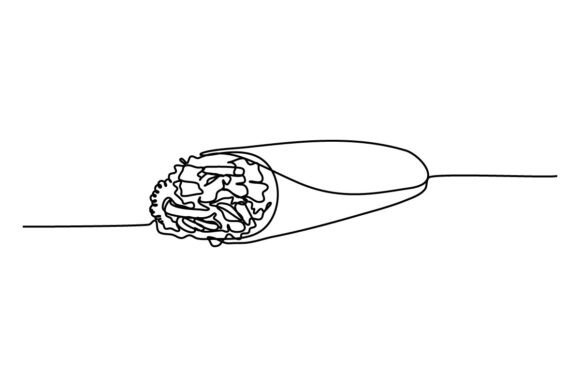
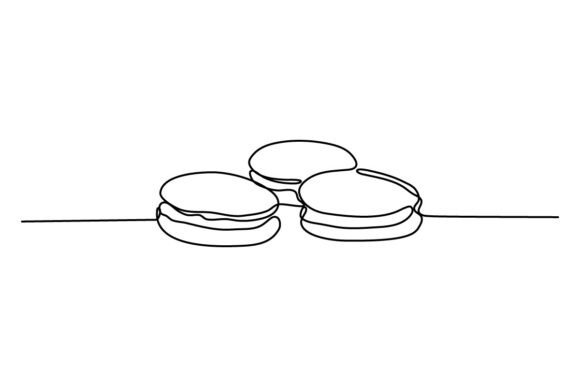
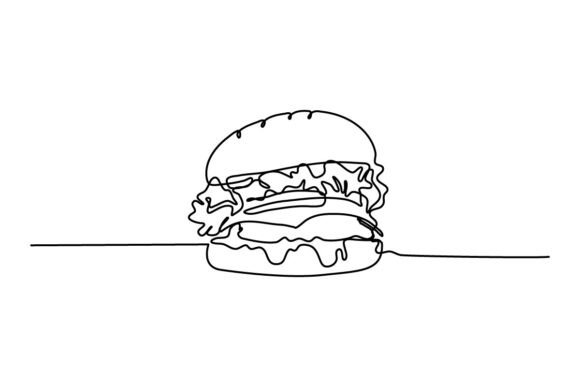
At first glance, Burger One Continuous Line stands out because of its restraint. Unlike complex Illustrations packed with dense shading, this design relies on a single, unbroken path to define the shape of a classic burger. The decorative elements drawn on a white background create a clean, modern silhouette that feels right at home in contemporary branding. In the world of Graphics, less often means more, especially when you are working with fabric textures that can obscure intricate details.
The mood it creates is playful yet sophisticated. It doesn't scream "cartoonish"; instead, it offers a stylized representation that appeals to adults as much as children. This versatility is crucial for a small shop product owner trying to capture a broad demographic. Whether you are creating a tote bag design for a trendy coffee shop or a personalized gift for a foodie friend, the visual personality of this piece is immediately recognizable without being overwhelming.
Testing the Design in Real Embroidery Projects
To truly understand the value of Burger One Continuous Line, I imagined applying it to a custom embroidered tote bag made of heavy cotton canvas. This is a staple item for many craft businesses. Because the design is a continuous line, it naturally lends itself to a running stitch or a very thin satin stitch. The challenge here is ensuring the line remains distinct without breaking up on the weave of the fabric.
I also considered using it for sweatshirt embroidery. On a heather grey fleece, the continuous line would need careful color selection to ensure visibility. If you choose a thread color too close to the fabric, the design will disappear. However, if you opt for a high-contrast thread, such as a deep navy or vibrant orange against the grey, the simplicity of the burger shape becomes a striking focal point. For baby embroidery projects, like a onesie or a nursery pillow cover, the smooth curves of the design avoid sharp corners that might snag delicate skin or fray over time.
For those selling digital products, having the EPS, SVG, and JPG formats included is a significant advantage. These files allow you to create professional printable mockups before you even cut a thread. You can visualize how the design sits on a cap, an apron, or a kitchen towel, helping you present your ideas to clients with confidence. This capability elevates your brand consistency and builds customer trust before they ever purchase a handmade product.
Navigating Fabric Challenges and Stitch Density
While Burger One Continuous Line is versatile, it is not without its limitations. As a designer, I always advise testing any embroidery project on scrap fabric first. The continuous nature of the line means that if the stitch density is too low, gaps may appear between stitches, ruining the illusion of a solid line. Conversely, if the density is too high, the fabric may pucker, especially on thinner materials like t-shirts or baby clothes.
You must be particularly cautious with textured fabrics or stretchy materials. On a ribbed knit or a loosely woven linen, the continuous line might follow the texture of the fabric rather than the intended path of the design. In these cases, using a strong stabilizer is non-negotiable. Without proper backing, the hoop tension can distort the simple geometry of the burger, making it look uneven.
Dark fabrics present another hurdle. Since the original decorative elements are drawn on a white background, you cannot simply stitch directly onto black denim or navy wool without considering a fill or applique technique. While this is primarily a line art Graphics file, pairing it with a subtle fill stitch behind the line or using a contrasting thread colors strategy is essential for legibility. Always compare light and dark fabric backgrounds in your planning phase to ensure the final result meets your quality standards.
Strategic Applications for Small Businesses
- Custom Apparel: Perfect for logo placement on the chest of polo shirts or the back of hoodies where a bold, simple statement is needed.
- Embroidered Patches: The continuous line works beautifully as a standalone patch that can be ironed onto jackets or bags, adding a unique touch to commercial embroidery lines.
- Holiday Gifts: Ideal for festive kitchen towels or aprons, offering a fun, thematic element for holiday embroidery collections.
- Personalized Products: Use it as a central motif on baby blankets or nursery decor, perhaps paired with a name in a complementary font.
Practical Notes for the Professional Maker
Before integrating Burger One Continuous Line into your workflow, there are critical steps to take. First, confirm the licensing terms. Are you allowed to sell finished products featuring this design? Can you resell the digital embroidery file? Understanding these boundaries protects your business from legal issues. Second, check the hoop size requirements. Even though the design appears small, the spacing required for a clean continuous line might demand a larger hoop than you initially anticipate.
Inspect the small details in the file. Sometimes, what looks like a smooth curve on a screen is actually a series of jagged points that will cause the machine to jerk or skip. Testing the design in black and white mockups helps identify these potential issues early. Finally, consider the washing durability. Designs with long, unbroken lines can sometimes unravel if a single stitch breaks, so ensuring the thread quality and knot security are top-notch is vital for items that need frequent washing, like kitchen linens or everyday wear.
In conclusion, Burger One Continuous Line is a valuable asset for the modern maker. It bridges the gap between digital minimalism and tactile craftsmanship. By respecting its technical requirements and leveraging its clean aesthetic, you can create custom apparel and gifts that stand out in a crowded market. Whether you are a hobbyist or a seasoned entrepreneur, this design offers a practical, stylish solution for your next creative endeavor.