Pancake One Continuous Line Embroidery Review
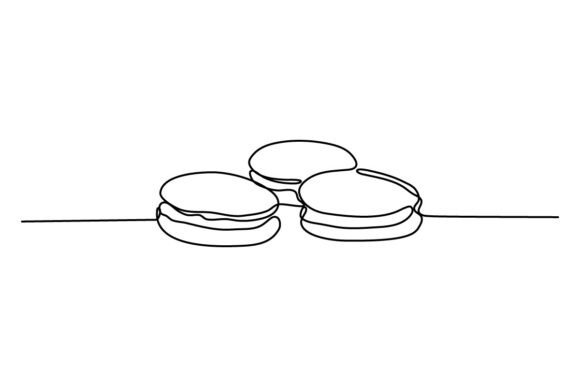
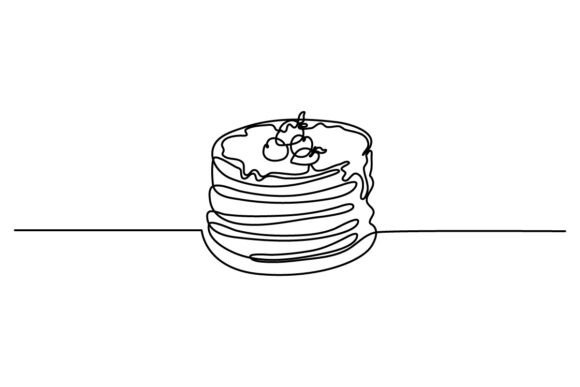
As a designer who has spent years translating digital concepts into tangible stitched goods, I approach every new machine embroidery design with a mix of excitement and skepticism. The market is flooded with generic patterns, but occasionally, a concept arrives that feels fresh enough to warrant a closer look. Today, I am evaluating the Pancake One Continuous Line. At first glance, this piece presents itself as a restaurant food menu design concept, featuring decorative elements drawn on a white background. While it originates as an illustration, its potential for textile application is what truly matters to us crafters and small business owners.
The Aesthetic Appeal of Minimalist Food Art
The first thing you notice about Pancake One Continuous Line is its visual personality. It relies on the "one continuous line" technique, which creates a fluid, hand-drawn aesthetic that is incredibly popular in modern branding and boutique merchandise. Unlike traditional clip art that can feel stiff or overly detailed, this design offers a sense of movement and whimsy. For an Etsy seller or a creative entrepreneur looking to add a touch of charm to their product line, this style bridges the gap between professional graphic design and cozy handmade appeal.
When I visualize this as a tote bag design or a kitchen towel, the simplicity of the lines suggests a clean, uncluttered finish. The mood is light, playful, and inviting—perfect for a breakfast-themed cafe, a nursery decor collection, or even holiday embroidery gifts for cooking enthusiasts. However, because it is categorized under Illustrations and Graphics, we must be careful not to assume it is already optimized for stitching. The transition from a JPG preview to a physical finished product requires a critical eye.
Translating Digital Lines to Stitched Reality
Here is where the practical reality sets in. If you are planning to use Pancake One Continuous Line for custom apparel, such as a sweatshirt embroidery project or a personalized apron, you need to understand how single-line drawings behave under a needle. In a digital format like EPS or SVG, a line is perfect. In embroidery, a line becomes a series of stitches, likely a running stitch or a very narrow satin stitch.
If you attempt to digitize this yourself, pay close attention to the stitch density. Continuous line designs often have tight curves and corners. On a textured fabric like canvas or a heavy cotton blend used for tote bags, these sharp turns can sometimes cause thread bunching if the density is too high. Conversely, if the density is too low, the line may break up, losing the "continuous" illusion that makes the design special. Before committing to a client order, I always recommend creating a printable mockup in black and white to see if the line weight holds up when scaled down.
Best Use Cases for Your Craft Business
This design shines brightest on products where the focus is on a singular, bold statement. Imagine a white linen pillow cover featuring the pancake stack in a contrasting thread color, like a warm chocolate brown or a vibrant berry red. The contrast would make the design pop without overwhelming the fabric texture. It is also an excellent candidate for an embroidered patch. Because the outline is distinct, it translates well to patches that can then be sewn onto denim jackets, hats, or backpacks.
For baby embroidery projects, the soft, rounded nature of the pancakes makes it a safe and cute choice for bibs or receiving blankets. Parents love food-themed items, and the minimalist style fits well with modern nursery aesthetics. If you run a small shop selling kitchen linens, this could become a signature item for your holiday collections. Think of it as a gift for the home cook—a tea towel that says "breakfast lover" without being loud or cluttered.
Navigating Technical Challenges
While the design is charming, there are specific scenarios where Pancake One Continuous Line requires extra caution. Thin fabrics are a major concern. If you try to stitch this on a lightweight t-shirt without proper support, the tension required for the continuous line might pucker the material. Always use a high-quality stabilizer to ensure the fabric remains flat and the lines stay crisp.
Dark fabrics present another challenge. Since the original concept is drawn on a white background, the negative space is significant. On a dark garment, you will likely need to add a fill stitch behind the design to create a solid base, or risk the threads blending into the fabric. This changes the file significantly, so do not just import the vector and hope for the best. You must adjust the backing and potentially the thread colors to maintain visibility.
Curved surfaces, such as caps or beanies, can distort continuous line art. The tension of the hoop against the curve of a hat can stretch the design, breaking the flow of the line. If you decide to use this for headwear, test it on a scrap piece of similar curved material first. Check whether the design works for both personal and commercial projects by ensuring the lines remain smooth after the hoop pressure is applied.
Essential Designer Notes for Success
To get the most out of this digital embroidery file, follow these practical steps:
- Test on Scrap Fabric: Never skip this step. Stitch the design on a piece of the actual fabric you plan to use to check for puckering or thread breaks.
- Verify File Formats: You will receive EPS, SVG, and JPG files. Ensure your embroidery software can read the vector formats (EPS/SVG) for digitizing. The JPG is only for preview purposes.
- Check Hoop Size: Measure the bounding box of the design against your machine's maximum hoop size. If the design is too large, scaling it down might compromise the line quality.
- Inspect Small Details: Look closely at the points where the line loops or crosses itself. These areas often require manual adjustment in your digitizing software to prevent thread jams.
- Confirm Licensing: Before selling finished items or digital products, confirm the licensing terms. Some graphics are for personal use only, while others allow for commercial embroidery.
Final Verdict on Value and Versatility
Pancake One Continuous Line is a strong contender for designers looking to add a modern, artistic touch to their portfolio. It elevates a simple food icon into a piece of wearable art that appeals to customers looking for unique, non-generic items. Whether you are creating a personalized gift for a friend or stocking your boutique with seasonal merchandise, this design has the potential to drive engagement and sales.
However, its success depends entirely on your execution. The beauty of a one-line drawing lies in its precision. If the stitching is messy or the digitization is poor, the effect is lost. Take the time to refine the thread colors, select the right stabilizer, and test thoroughly. When done correctly, this design adds a layer of professionalism and creativity that separates a hobbyist from a pro. It is a versatile asset that, with the right care, can become a staple in your collection of design assets for years to come.