Watermelon One Continuous Line: A Designer's Review
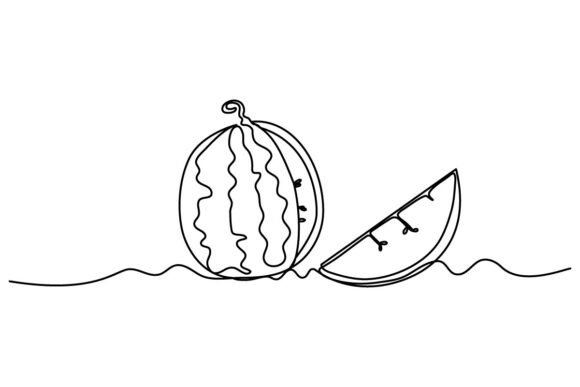
As a designer who has spent years translating digital concepts into tangible thread, I approach every new asset with a mix of excitement and skepticism. When I first opened the Watermelon One Continuous Line file, my initial reaction was one of appreciation for its simplicity. In a world often cluttered with hyper-realistic shading and complex gradients, this design stands out by stripping the subject down to its essential form. It is a classic example of how a single, unbroken stroke can capture the whimsical spirit of summer fruit without overwhelming the fabric it sits upon.
The Visual Impact on Real Projects
The mood this design sets is immediately playful yet sophisticated. The continuous line technique creates a sense of fluidity that static, blocky shapes often lack. When I visualize this as an embroidery project, particularly for custom apparel, I see immediate potential for items that require a touch of personality without looking childish. Imagine a crisp white linen tote bag or a soft cotton apron for a boutique kitchen shop. Placing the Watermelon One Continuous Line motif in the corner of a pocket or centered on a canvas bag transforms a generic item into a curated, handmade product.
For Etsy sellers and small business owners, the visual clarity is a major selling point. Customers browsing through digital product previews or printable mockups need to instantly understand the value proposition. This design communicates "summer," "freshness," and "craft" in a single glance. Unlike dense machine embroidery design files that can sometimes look muddy from a distance, the open nature of this line art ensures high visibility even on smaller items like caps or keychains.
Translating Graphics to Thread
While the source file comes as EPS, SVG, and JPG within the Illustrations category, the real test lies in how these Graphics translate into stitches. As a reviewer, I must note that a continuous line drawing does not automatically equal a simple run stitch. To make this work effectively as a finished product, you will likely need to convert the vector path into a satin stitch column or a wide running stitch to give it weight and definition.
If you are planning to use this for sweatshirt embroidery or embroidered patch creation, the line thickness becomes critical. On a thick fleece sweatshirt, a very thin line might get lost in the pile of the fabric. You may need to adjust the stitch width during digitization to ensure the watermelon shape pops against the textured background. Conversely, for delicate baby embroidery on fine muslin, a lighter touch with fewer threads per stitch will maintain the airy feel of the original concept.
Strategic Placement and Fabric Choices
One of the most practical aspects of reviewing Watermelon One Continuous Line is determining where it shines and where it struggles. This design is incredibly versatile for holiday gifts and seasonal merchandise. Picture a summer wedding favor kit where each guest receives a personalized tea towel featuring this motif. The clean lines pair beautifully with hand-stitched monograms nearby, creating a layered, professional look.
However, there are scenarios where caution is required. If you are working with highly stretchy fabrics like jersey knit for t-shirts, the continuous nature of the line means any distortion in the fabric could warp the entire shape. A broken line here would ruin the aesthetic integrity. Always use a proper stabilizer and consider testing the design on scrap fabric first. Additionally, while the design looks great on light backgrounds, using it on dark fabric requires careful consideration of thread colors. A neon green outline might be hard to see on black denim unless you use a high-contrast variegated thread or add a subtle fill underneath.
Commercial Viability and Brand Consistency
For creative entrepreneurs building a brand around summer themes or botanical motifs, consistency is key. The Watermelon One Continuous Line fits seamlessly into a collection of minimalist fruit designs. It allows for a cohesive look across different product lines, from pillow covers to blankets. Because the style is so distinct, it helps build recognition. Customers begin to associate that specific line quality with your brand identity.
When evaluating this for commercial embroidery, think about the production volume. Since the design is relatively simple, it should have a lower stitch count compared to realistic renderings, which translates to faster run times and less wear on your machine needles. This efficiency is a hidden benefit for craft business owners trying to meet tight deadlines for craft fairs or holiday rushes.
Practical Notes for the Makers
Before you commit to a large batch of personalized gifts, follow these practical steps to ensure success:
- Test Stitch Density: Even though it is a line design, ensure the stitch density is high enough to prevent puckering but low enough to remain flexible.
- Check Hoop Size: Verify that your intended hoop size accommodates the full span of the watermelon slice without cutting off the stem or rind details.
- Color Contrast: Experiment with different thread colors on your specific fabric swatches. Red and green are classic, but a coral or sage green variation might offer a more modern twist.
- Licensing Check: Always confirm the licensing terms before selling finished items. Ensure the embroidery file permits commercial use for small shop products.
- Mockup Testing: Create both color and black-and-white printable mockups to see how the design holds up in different marketing contexts.
In conclusion, the Watermelon One Continuous Line is more than just a cute graphic; it is a functional tool for designers who value elegance and efficiency. Whether you are creating a unique tote bag design for a local market or developing a line of handmade products for online sale, this asset offers a reliable foundation. Its strength lies in its ability to adapt to various textures and applications while maintaining a clear, recognizable identity. By paying attention to stitch execution and fabric compatibility, you can turn this simple illustration into a standout feature of your next embroidery project.