Cake One Continuous Line: A Designer's Review
As someone who has spent years navigating the intersection of digital illustration and physical stitching, I approach every new machine embroidery design with a specific set of questions. Does it translate well from screen to fabric? Will it hold up under washing? Most importantly, does it add genuine value to a finished product? Recently, I had the chance to evaluate Cake One Continuous Line, a graphic described as a restaurant food menu design concept featuring decorative elements on a white background. While the file formats provided—EPS, SVG, and JPG—suggest a focus on vector graphics and print media, the aesthetic potential for embroidery is undeniable if handled with care.
The Visual Appeal of Minimalist Food Art
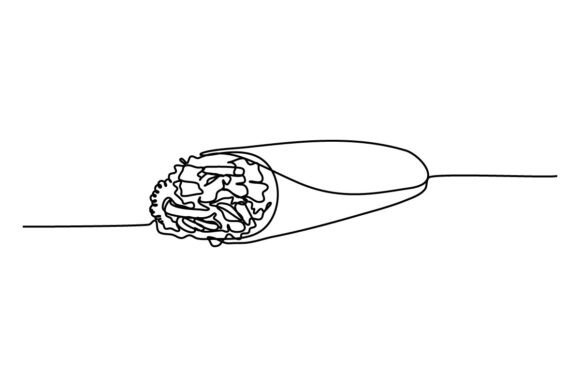
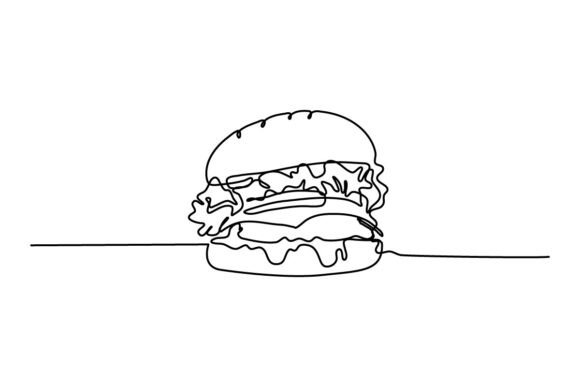
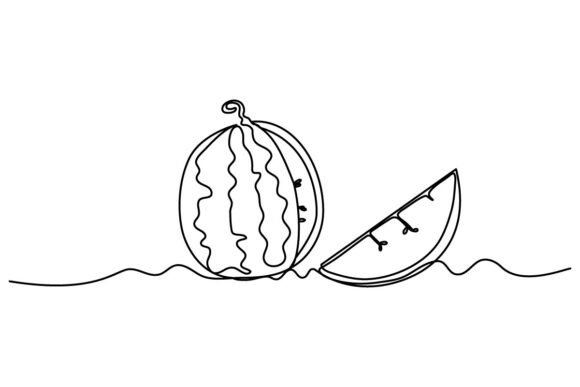
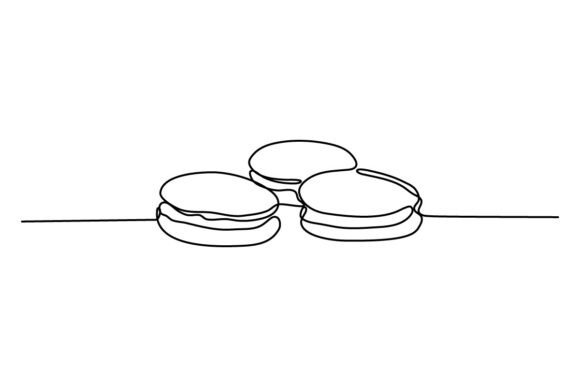
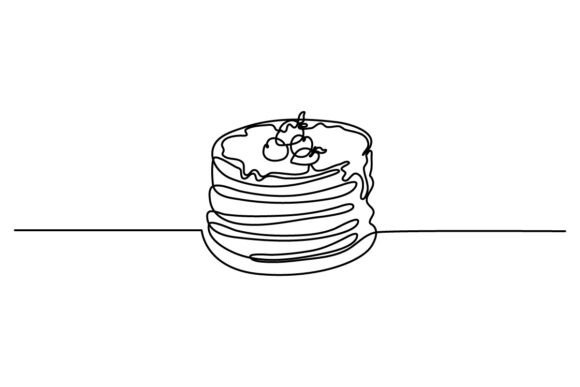
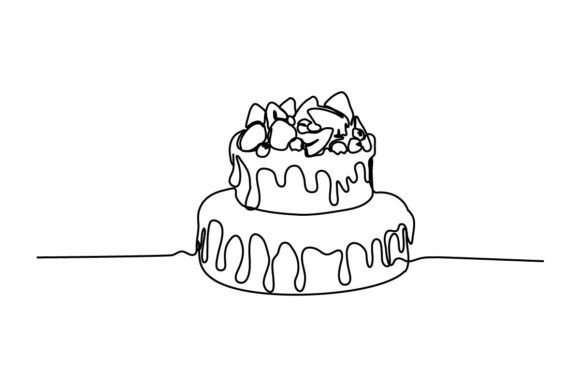
The first thing that strikes you about Cake One Continuous Line is its elegant simplicity. In the world of Graphics and Illustrations, continuous line art has surged in popularity because it feels modern, fluid, and effortlessly chic. Unlike traditional designs that rely on heavy fill stitches or complex shading, this piece uses a single, unbroken stroke to define the shape of a cake. This creates a mood that is both playful and sophisticated, making it an excellent candidate for boutique branding or high-end handmade goods.
When I visualize this design moving from a digital file to a physical hoop, the challenge lies in maintaining that delicate flow. The beauty of the continuous line is its fragility; one skipped stitch or tension issue can break the illusion of the drawing. However, when executed correctly, the result is a striking visual that stands out against textured fabrics. It evokes a sense of whimsy that pairs perfectly with culinary themes, making it an ideal choice for kitchen textiles or apparel for baking enthusiasts.
Testing the Design on Real-World Projects
To truly understand the utility of Cake One Continuous Line, I imagined a specific scenario: creating a custom embroidered tote bag for a local artisan bakery. These shops often need merchandise that feels handcrafted yet professional. A standard logo might feel too corporate, but a continuous line cake offers a unique artistic touch. If I were to place this design on a sturdy canvas tote using a running stitch or a very fine satin stitch, the thin lines would mimic the look of a hand-drawn sketch.
This application highlights the versatility of the design. Beyond tote bags, consider a sweatshirt embroidery project for a cooking class or a personalized apron for a wedding gift. The minimal nature of the artwork ensures it doesn't overwhelm the garment. For a baby embroidery item, such as a nursery pillow cover, the soft curves of the cake design feel gentle and inviting. The lack of aggressive geometric shapes makes it suitable for children's decor, provided the thread colors are chosen carefully to maintain visibility.
For the Etsy seller or small shop owner looking to expand their catalog, this design serves as a strong digital product preview asset as well. Since the package includes EPS and SVG files, you can create stunning printable mockups to showcase how the embroidery would look before a customer even commits to purchasing the stitched item. This dual utility—as both a physical embroidery file and a marketing graphic—is a significant advantage for creative entrepreneurs.
Navigating Fabric and Technical Challenges
While the aesthetic promise is high, practical execution requires caution. Continuous line designs like Cake One Continuous Line are not forgiving on all surfaces. On textured fabrics like heavy denim or thick wool, the fine lines may get lost in the weave. Similarly, on stretchy materials like jersey knit, the tension required to keep the line straight could cause puckering, distorting the elegant curve of the cake.
I strongly advise testing this design on scrap fabric first. Use a stabilizer appropriate for your base material; a tear-away might suffice for a stable cotton tote, but a cut-away stabilizer is likely necessary for a custom apparel project involving sweatshirts. You must also pay close attention to stitch density. Because the design relies on a single line, there is no room for error in spacing. If the machine skips a stitch, the continuity breaks, and the design loses its charm. Conversely, if the density is too high, the line may become clunky rather than fluid.
Color contrast is another critical factor. The original concept features decorative elements drawn on a white background. While this works beautifully on light fabrics, placing this design on dark garments requires strategic thinking. Using a bright thread color against a black hoodie will make the line pop, but you must ensure the thread thickness matches the delicacy of the original illustration. A thick thread on a dark background might obscure the fine details of the cake layers.
Where to Exercise Caution
- Small Hoop Sizes: If you attempt to downsize this design for a cap or a small patch, the continuous line may become too thin to stitch reliably. Always check the minimum size recommendations before scaling.
- Detailed Corners: Sharp turns in continuous line art can sometimes cause thread breaks or bird nesting if the machine moves too quickly. Slowing down the stitching speed in these areas is essential.
- Frequent Washing: For items like tea towels or aprons that see regular laundering, ensure the thread quality is high. Thin lines are more susceptible to fraying over time compared to dense fill stitches.
- Curved Surfaces: Embroidering on a baseball cap introduces curvature that can distort a flat line drawing. Test the placement carefully to avoid warping the image.
Professional Considerations for Commercial Use
For those planning to sell finished products, such as an embroidered patch or a branded holiday gift, understanding the licensing is paramount. The product description lists EPS, SVG, and JPG formats, which are standard for digital product sellers, but it does not explicitly detail commercial embroidery rights. Before listing any commercial embroidery items on your shop, confirm that your license allows for the sale of physical goods created with this design.
Furthermore, the visual consistency of your brand depends on how well the design translates across different mediums. If you are using Cake One Continuous Line for a craft business, ensure that the embroidery version matches the printed version on your packaging or website. Discrepancies between the digital Illustrations and the stitched reality can erode customer trust.
Final Thoughts on Value and Execution
In conclusion, Cake One Continuous Line is a versatile asset that brings a fresh, artistic vibe to the world of textile decoration. Its minimalist style appeals to modern tastes, making it perfect for personalized gifts, boutique merchandise, and creative home decor. However, its success hinges entirely on technical precision. It demands a steady hand, the right stabilizer, and a keen eye for thread selection.
If you are willing to invest the time in testing and refining your setup, this design can elevate your handmade product line significantly. It transforms a simple cake motif into a statement piece that speaks to quality and design awareness. Whether you are a hobbyist decorating a family apron or a professional decorator fulfilling a bulk order for a restaurant, this design offers a unique opportunity to blend the worlds of graphic art and textile craft. Just remember: the magic of continuous line art lies in its flow, so treat every stitch with the respect it deserves.